BROOKSVILLE, Fla. – Once they decided to sell their teaching farm in Indiana, Amanda Jo and John Boener knew they were going to move their homeschooling family to another state. They just didn’t think it’d be Florida. The couple’s nature-connected education venture is called A Wild Home, and a wild home and its affiliated wild school couldn’t possibly fit in a state teeming with 23 million people, right?
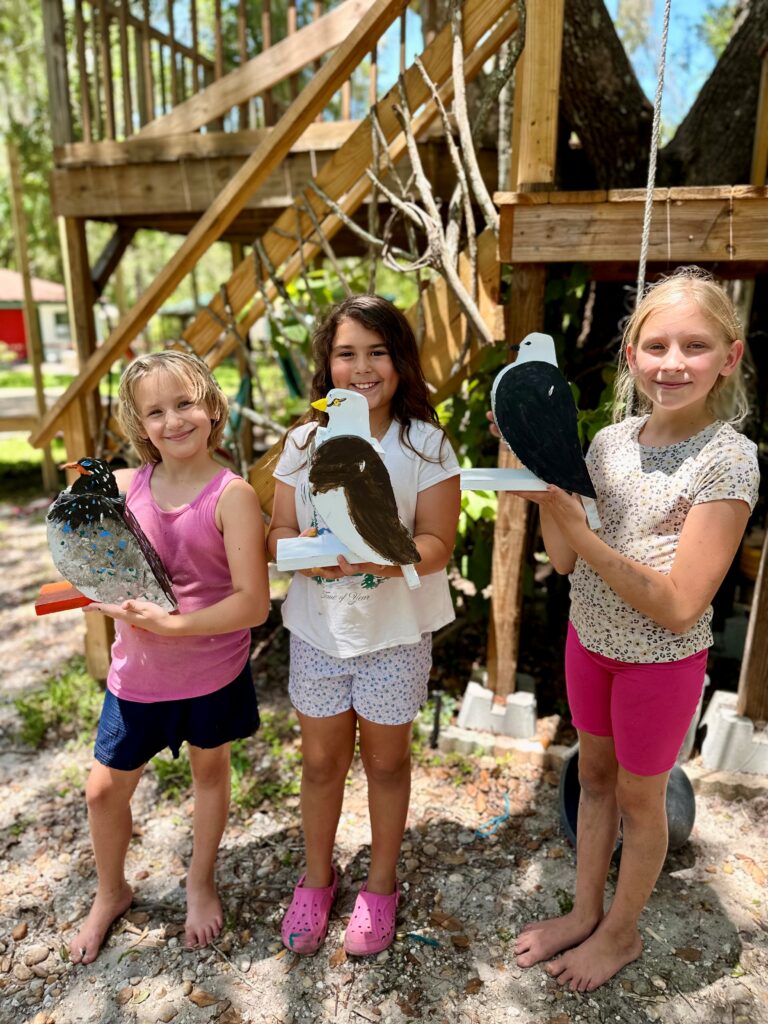
But then, two things about Florida grabbed the family and wouldn’t let go.
First, a trip to Florida left them enchanted with the Everglades and the springs and the Sunshine State’s other natural wonders.
Second, as they were researching which states had the best homeschool laws, they learned Florida offers state scholarships not only for school choice but education choice. In other words, options for families who want something other than full-time schools.
Just like that, Florida went from not in the picture to front and center.
“It almost sounded too good to be true,” said Amanda Jo, who goes by AJ. “With the Step Up (For Students) scholarships, we realized not only could our kids benefit, but we could continue the work we do.”
Last year, AJ and John opened Florida Wild School, a hybrid homeschool/à la carte operation in Brooksville, a small town an hour north of Tampa. It’s the Florida version of what they were doing in Indiana, and it’s already serving 50 students a week. Almost all of them use choice scholarships; many are neurodivergent, and some travel from up to 90 minutes away.
The operation spans two city lots, which doesn’t sound like much for an outdoors school. But in AJ and John’s capable hands, it’s more than enough to create a rich, green classroom.
Florida Wild School includes a big garden, a “forest orchard,” a rainwater collection system, three composting stations, a treehouse … even a wooden beehive.
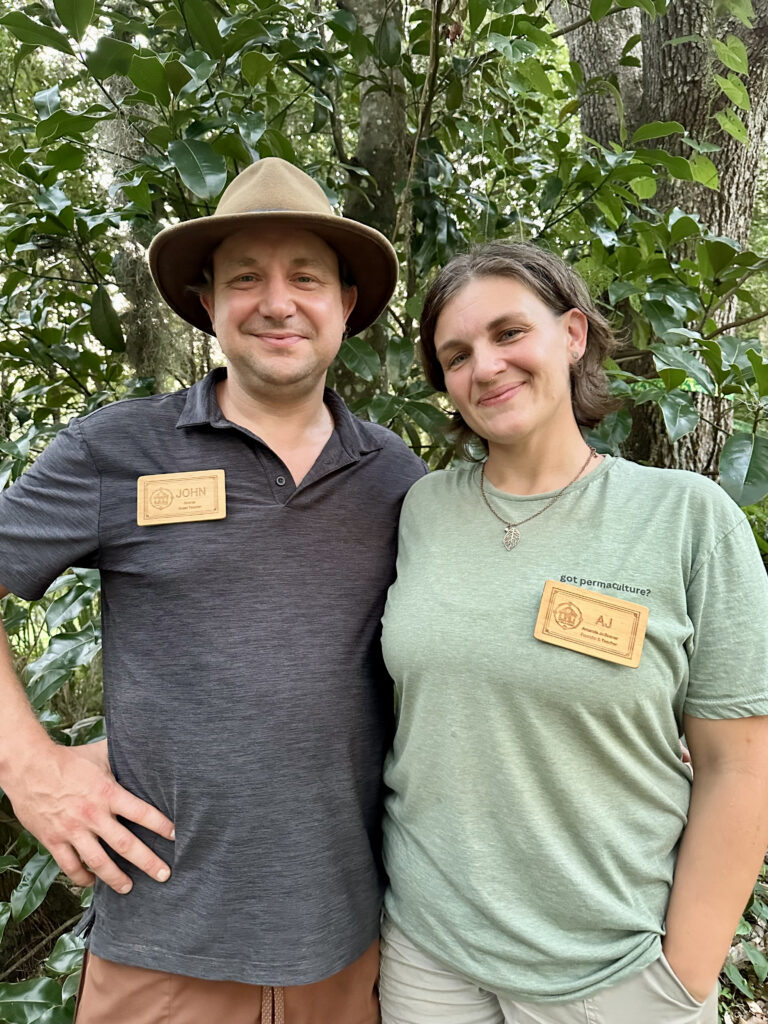
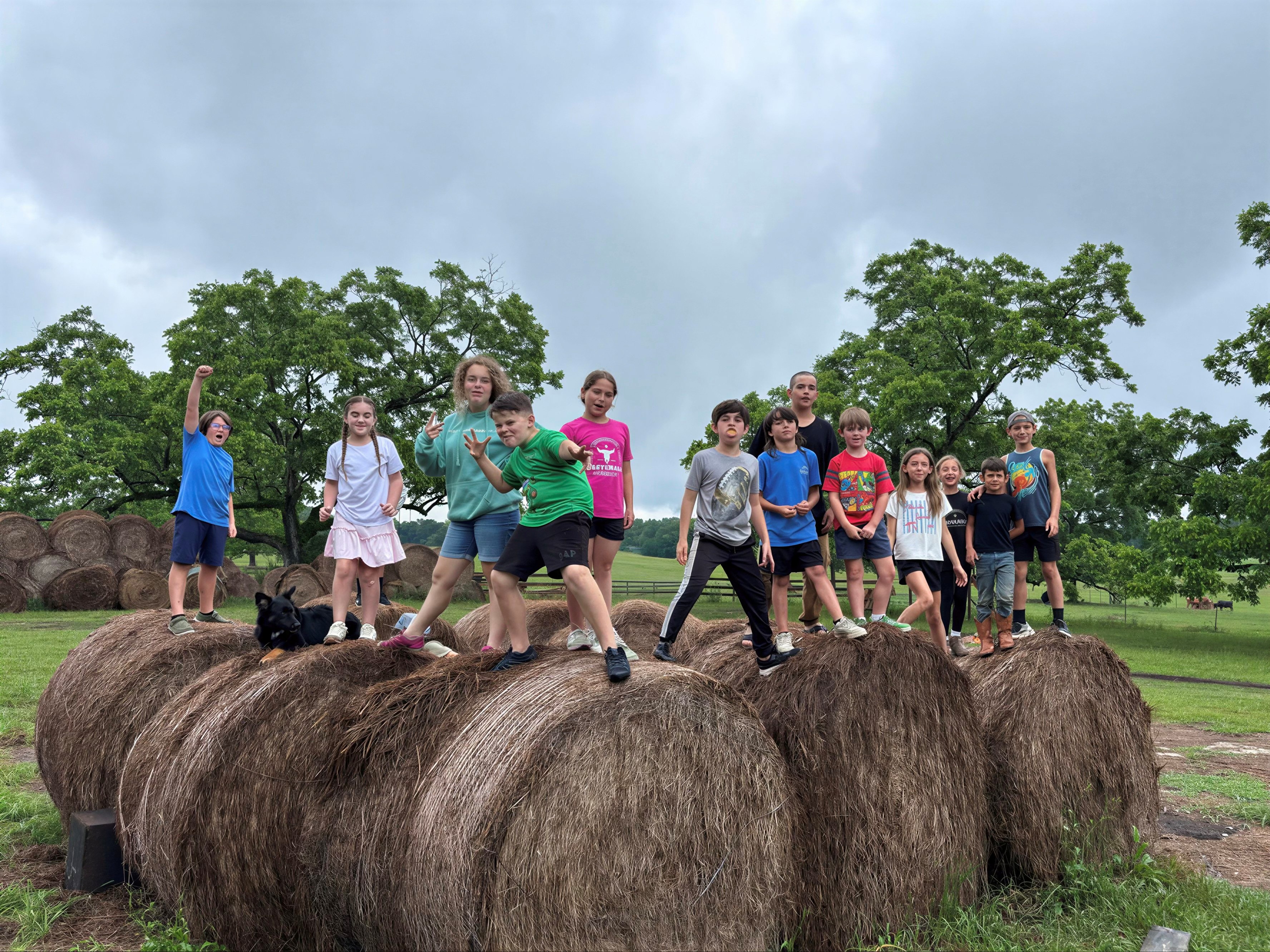
Students from 5 to 17 years old come to this oasis one or two days a week. They learn everything from gardening and woodworking to how to make natural medicine and forage for edible plants. (AJ has counted 150+ species of native or Florida-friendly plants and fungi on site.) They also keep nature journals and participate in group sessions where they share what they learn and what they’re grateful for.
Along the way, they absorb deeper lessons, about curiosity, diversity, community, all rooted in outdoor learning.
“We see Mother Nature as a partner in teaching,” AJ said.
Florida Wild School represents multiple trends.
The Sunshine State has dozens of nature schools, hundreds of hybrid homeschools, and more than 7,000 à la carte providers. Growing numbers of à la carte families representing more than 150,000 students are using choice scholarships to pick and choose from among them.
Nothing on this scale is happening anywhere else in America.
At the same time, Florida is increasingly home to families who moved here either because of choice scholarships; the diverse options that choice is fueling; or both. These “school choice transplants” (see here, here, and here for starters) sought schools that were a better fit for their children.
AJ and John put new twists on that phenomenon. They’re here for education choice and to continue an education model they cultivated in another state.
Florida is giving them an opportunity to not only keep their model thriving, but to reach an even more diverse array of families.
Up north, the families who accessed the wild school “tended to be people who were a little more privileged,” John said. But in Florida, “I can say for sure there are families who wouldn’t be able to access our program without the scholarships.”
AJ and John put a lot of thought and research behind their school.
AJ is a National Geographic certified educator and a certified permaculture designer. To get a glimpse of her deep knowledge about plants alone, read this piece she wrote for Mother Earth News about making jam out of autumn olives. John, meanwhile, is a carpenter by trade who can probably make and/or fix anything. If that sounds like a stretch, watch this video about the school bus he converted into an RV. (The video has 300,000+ views, so you won’t be the only one to find it captivating.)
Had it not been for that bus, John and AJ might not be Floridians.
Four years ago, they decided they wanted to see the country with their four children, now aged 8 to 14. They sold the farm and hit the road in the “skoolie,” unsure how long the adventure would last. They ended up traveling for two years, with Florida unexpectedly stealing their hearts.
Reverence for natural systems is embedded in their approach to education.
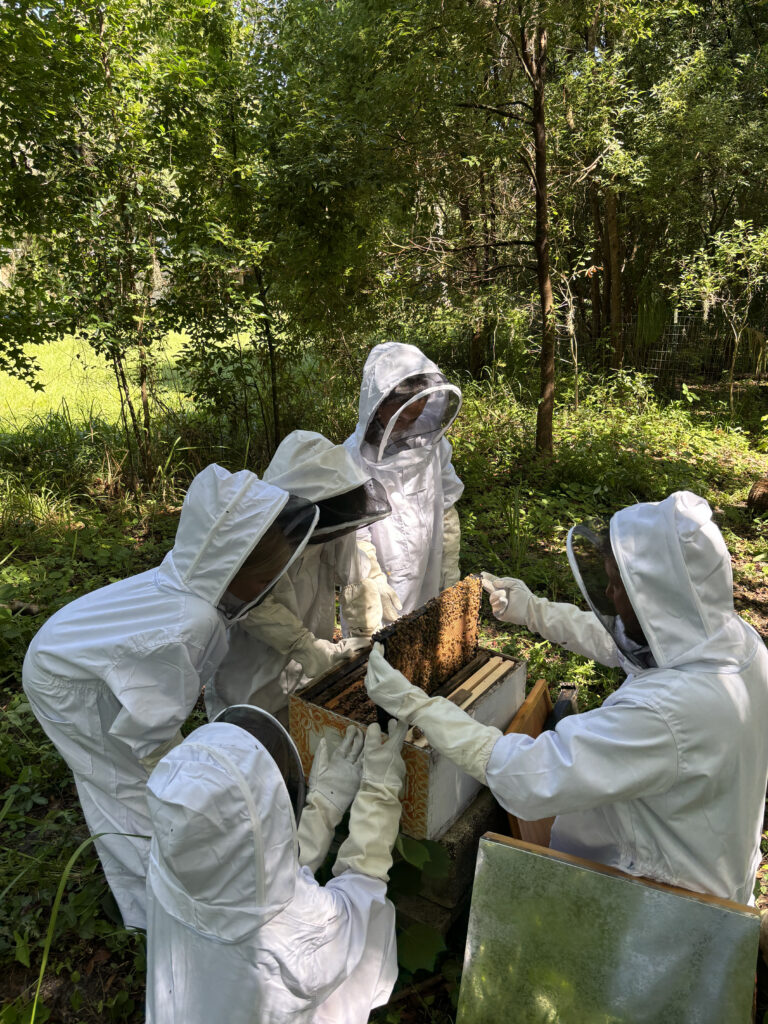
One day last week, students donned beekeeper suits and accompanied John to the hive at the back of the property. John told them the lesson would be relatively quick, out of respect for the bees.
“I don’t want to push them any more than I need to,” he said. “If you mess with them too much, they might get agitated and leave.”
While the students leaned in, John popped the hive’s lid and pointed to invading beetles scurrying on the underside. Then he removed a frame, wall to wall with bees, and noted the dark, capped cells where baby bees were growing inside.
The students peppered him with questions and comments.
“I don’t see much honey.”
“One bee is carrying another one off.”
“Where’s the queen?”
In minutes, the students learned the difference between workers, drones, and queens; witnessed how the workers keep the hive tidy by removing their dead sisters; and heard John’s enthusiastic description of what happens when a colony splits into two, and some of the bees swarm out with the queen to start a new location.
Parents say lessons like these leave lasting impressions.
Mark Lopez said his daughter Hayven, 10, was not happy with her prior school, numbed by long hours inside. So, with help from a choice scholarship, he decided to try à la carte learning.
The web designer thought the wild school would be a good complement to the other enrichment activities he lined up. But it turned out to be so much more.
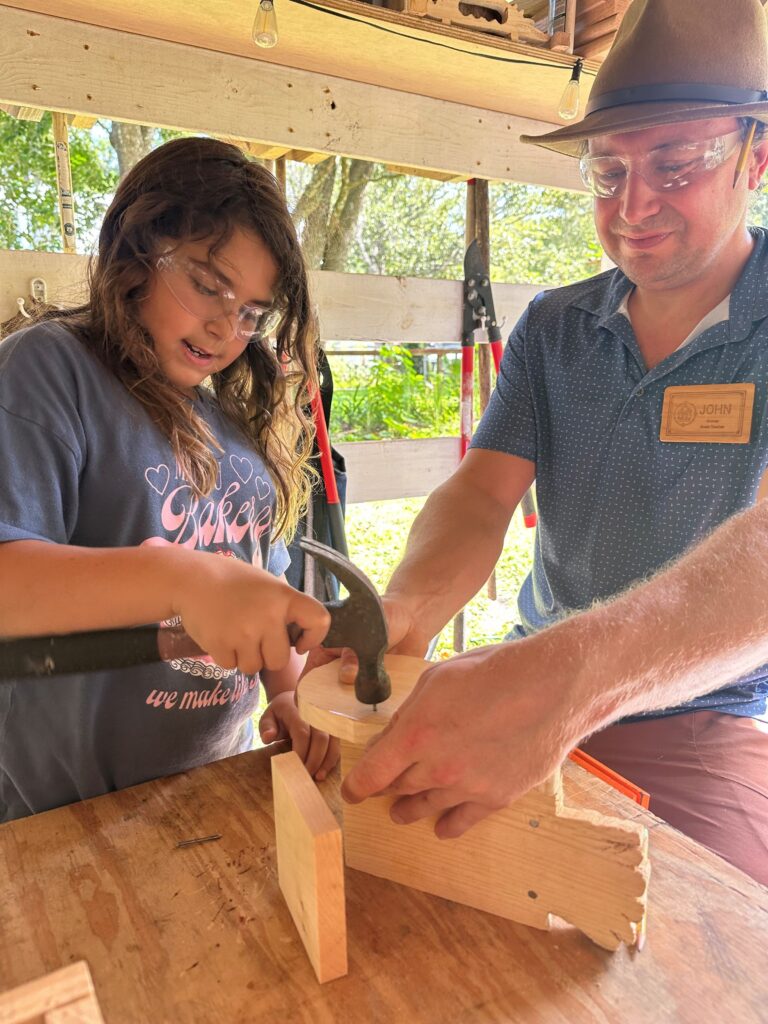
Hayven set up a “worm farm” in her room; identifies native plants when she and Mark go for walks; and asked for a woodworking kit like the one she used at school, so she could tinker with her own projects at home. One day, Hayven “sat there for hours, chiseling away, making horses and little characters to go on them.”
Even better, Mark said, his once-shy daughter is making friends and becoming more outgoing. She’s so amped about school she gets herself up in the morning and packs her own lunch. And when Mark picks her up and asks what she learned, she doesn’t say, “I don’t remember.”
“She says, ‘Dad, I did this, and I did this, and I did this,” Mark said. “It’s been a complete change.”
Jenna Gonzalez said Florida Wild School has become a pillar of her kids’ learning, too.
Roman, 11, and Charlee, 9, previously attended public and private schools. Neither worked for them. So, Jenna, a single mom and former salon owner, used choice scholarships to go à la carte. She researched “a gazillion places” before picking providers, but “no place felt more right and more genuine” than the wild school.
It’s not just that her kids love the lessons, Jenna said. (The Gonzalez family now has a “worm farm,” too; theirs is under the kitchen sink.) It’s that John and AJ’s approach ensures they feel safe and supported, so they can focus on learning.
In that respect, Jenna said, Florida Wild School has rubbed off on her entire learning regimen.
“When a child’s nervous system is off, there’s no taking in that math lesson,” she said. “It’s important that my kids not only be physically safe, but be where they are emotionally, mentally, psychologically, every-which-way safe.”
AJ said families are drawn to the wild school because “we live in a world with so many distractions … and everybody’s in such a big hurry.”
Against that backdrop, Florida Wild School is “a haven.”
“There are a lot of parents who realize we’re not doing this human thing very well,” AJ said. “Some parents practice elements of what we teach on their own but want to do more of it with help from other adults. Some want to do it but have no idea how.”
“Either way, we’re here to help.”